
Agenda 2020: Veja cidades que receberão o Curso Intensivo de Visual Merchandising
An overview of the cities scheduled to host the Intensive Visual Merchandising course, with dates and registration details for each location.
Insights, tips, and strategies for retail professionals and students of visual merchandising.
In the world of visual merchandising, the strategic use of color and composition can transform a simple retail display into a compelling brand story. By carefully selecting accent hues that complement the surrounding environment, retailers can guide the customer's eye toward key products and create an emotional connection with the space. The interplay between bold, saturated tones and neutral backgrounds allows for a dynamic visual hierarchy that feels both intentional and inviting. When every element from signage to fixture placement works in harmony, the shopping experience becomes more than a transaction; it becomes a memorable encounter that reinforces brand identity and encourages return visits.
Effective visual merchandising is not merely about arranging products on a shelf; it is a multidisciplinary practice that blends psychology, design, and marketing strategy. Understanding how shoppers move through a space and what captures their attention at each stage of the journey is essential for crafting displays that convert interest into action. From window presentations that stop passersby to in-store focal points that drive exploration, every detail contributes to the overall narrative. By prioritizing clarity and visual balance, retailers can create environments where customers feel guided yet free to discover, resulting in deeper engagement and stronger brand loyalty over time.
Digital and physical retail spaces are increasingly converging, making it essential for visual merchandisers to think beyond the storefront. A cohesive brand presence across websites, social media, and email campaigns ensures that the visual language established in-store extends seamlessly into the digital realm. This integrated approach allows retailers to tell a consistent story, using imagery and design elements that resonate with their audience regardless of the platform. By combining organic and paid strategies with compelling visual content, brands can elevate their online presence and drive both traffic and conversions, proving that great design is a powerful tool for growth in any medium.
Content creation plays a vital role in supporting visual merchandising efforts, as thoughtful articles, posts, and newsletters help educate and inspire both retail professionals and consumers. Sharing insights about emerging trends, design principles, and practical strategies builds credibility and fosters a community around the brand. When visual storytelling is paired with well-crafted written content, the message becomes more accessible and impactful. This holistic approach to communication ensures that every touchpoint, whether a blog post or an in-store display, works together to advance the brand's mission. By prioritizing both aesthetics and substance, retailers can create lasting impressions that resonate long after the initial encounter.
An overview of the cities scheduled to host the Intensive Visual Merchandising course, with dates and registration details for each location.
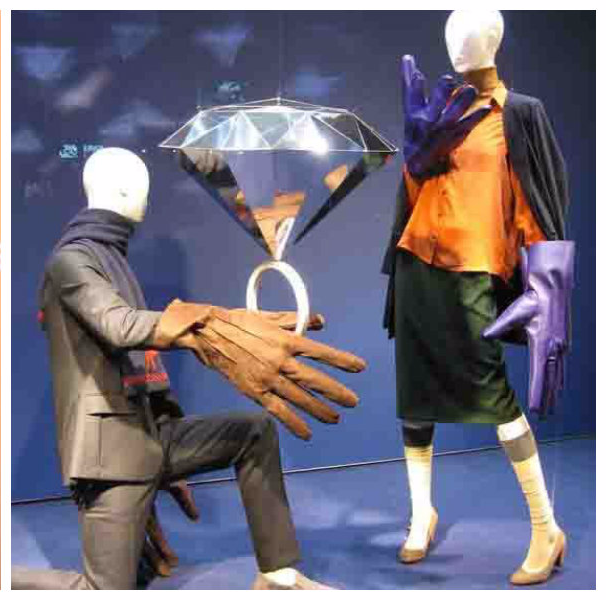
Three essential tips for creating compelling Mother's Day window displays that connect emotionally with customers and drive foot traffic.

Five practical tips for designing attractive Christmas windows that capture the festive spirit and boost end-of-year sales.

A guide for those looking to enter the field, covering what to consider when choosing a visual merchandising program and where to find quality training.

How sensory marketing influences consumer behavior in retail environments, from scent and sound to tactile displays and lighting.
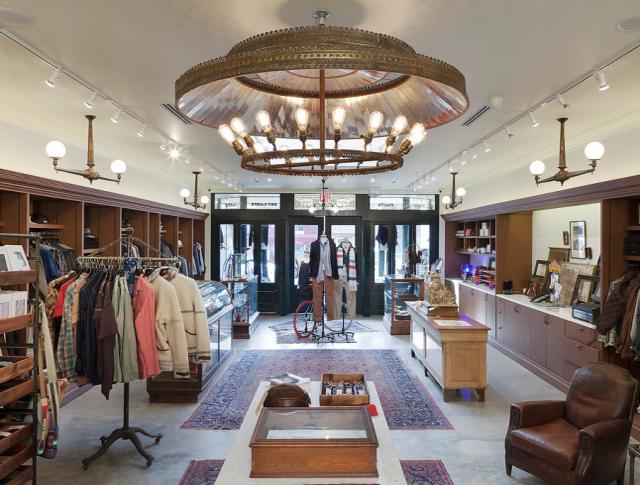
A curated look at creative window displays from brands like Mulberry, Ralph Lauren, Nike, and Abercrombie for seasonal inspiration.